


What is Branding?
Branding is the process of creating a collective narrative that makes people recognize, understand, and remember a business. It’s about clearly communicating what a business stands for so that it consistently creates the impression it desires whenever someone sees a name, expression, or logo. This impression is the essence of what a brand is.
For example, Nike is one of the most recognized brand names in the world. When someone hears it, they think of sports shoes. Their logo is a checkmark, a symbol often used to suggest approval, readiness, or action. Their motto, “Just Do It,” is a phrase that can appear in everyday conversation, and when it does, people will immediately think of Nike and may even hear the phrase’s iconic voiceover in their head. As a result, Nike has created a collective narrative that signals reliability, motivation, and action, and they owe it all to branding.
Branding Example: Why Did Nike Choose The Swoosh Logo?
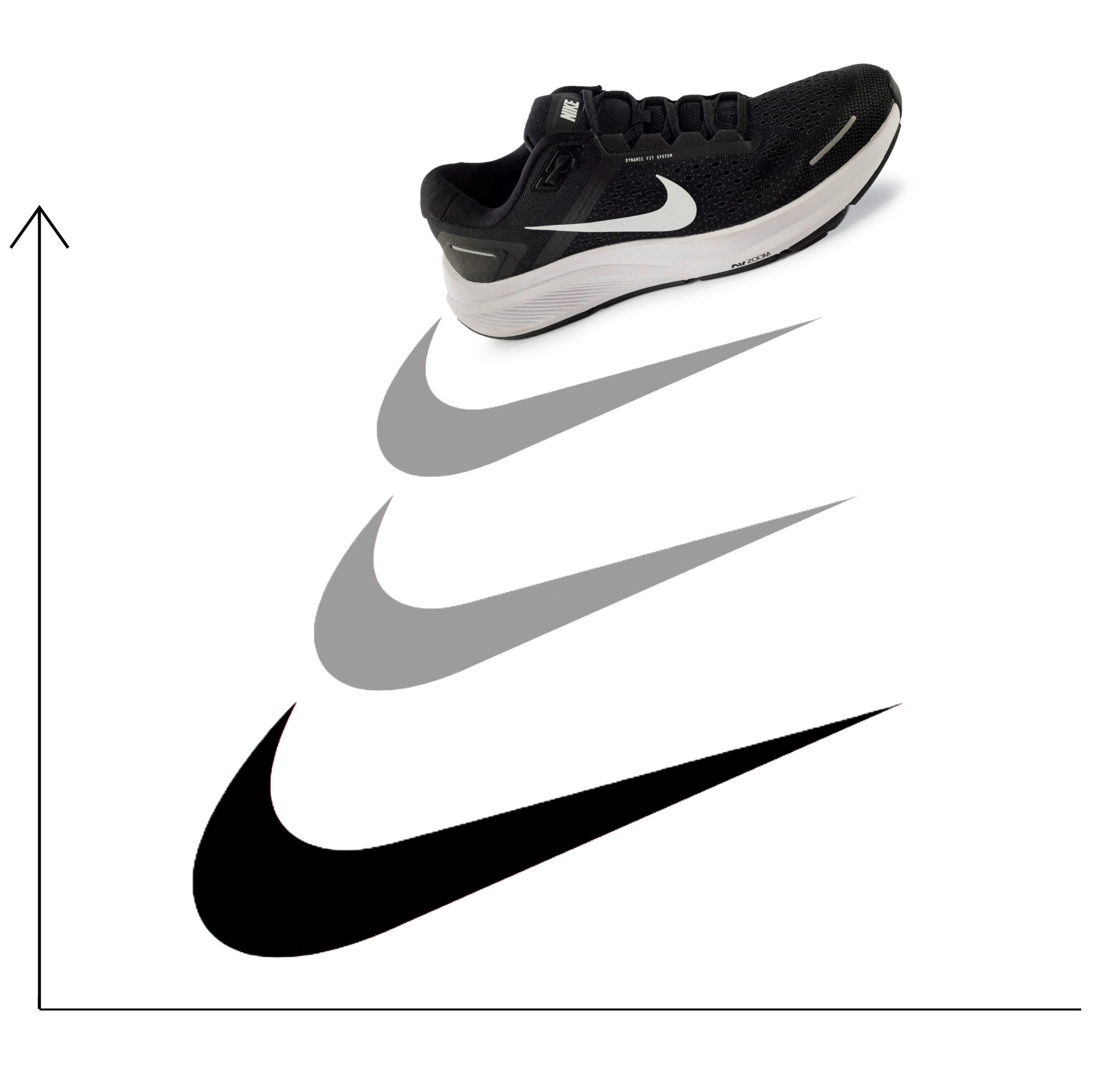
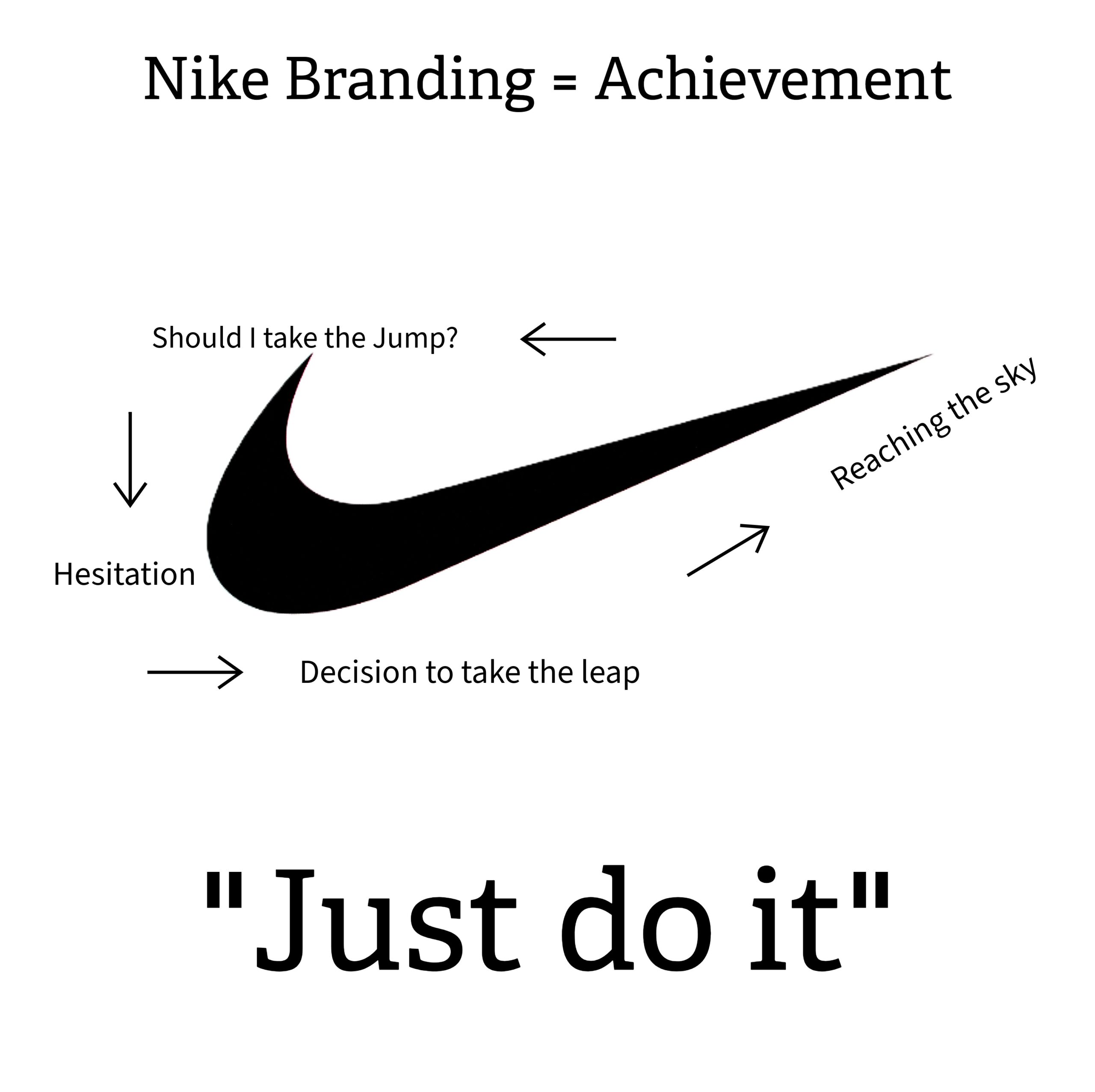
Did you know that Nike’s logo is more than a checkmark? It’s actually what the soles of sneakers would look like if they were pointing upwards, as if shooting or jumping up. Nike’s checkmark, motto, and product represent the entire human process of achievement, and that’s the impression they want people to have about their brand. A checkmark, or swoosh, has a starting point, a dipping point, and then a sharp ascent upwards, as if jumping in the air (think Nike Air).
Achievement has a similar process with a starting point, a moment of hesitation where emotions dip, and a moment of grounding just before deciding to take the jump upwards. Many people need encouragement before deciding to take the jump, and that’s exactly what Nike does with its motto “just do it”, so even their motto complements their swoosh logo.
Nike’s logo, motto, and products are all made to create the impression of achievement. With branding, they have successfully created the collective narrative that with the right shoes, you can achieve the goal that made you hesitant in the first place. That is the power of branding.
Why Is Branding Important?
Branding is important because it allows a business to stand out in a crowded marketplace so that people recognize its value, and view it as the trusted source of the products or services offered. At its core, branding takes the strengths of a business—what makes it unique—and creates something original and memorable to inspire purchases. This leads to increased transactions, clients, and long-term customer loyalty through awareness and customer experience.
Without branding, businesses risk losing potential sales and opportunities. In a busy market, companies without a clear brand will often be overlooked, no matter the quality of their product or service. Branding helps build trust before purchase, as it communicates a business’s values and allows customers to see themselves interacting with the company. The more authentic and consistent the branding, the more likely people are to choose it over competitors.
Branding also impacts perceived value. A high-quality product with a strong brand can command premium pricing because the brand expresses what the product is worth. Conversely, branding positioned as affordable targets price-sensitive customers. In some cases, successful branding can inspire life-long purchases, as seen with products people view as necessary upgrades, or inspire lifestyle purchases, as seen with businesses that people view as having common values. Examples:
- Life-long purchases: Android smartphones. New versions are purchased every couple years due to consistent branding of value and necessity
- Lifestyle purchases: YETI Coolers. Favored by outdoor enthusiasts because they’re built to withstand an active lifestyle.
The relationship between branding and delivery is critical:
- A strong brand with poor delivery may attract initial interest, but customers are unlikely to return.
- Strong delivery without branding may delight customers, but reach and recognition remain limited.
When customers compare similar products where price, offering, and quality are equal, branding often becomes the deciding factor. It influences customer perception and experience, both through marketing campaigns and interactions with the business itself. The best product doesn’t always win; the product or service that best aligns with the customer’s needs and perception—shaped by branding—typically does.
Key Outcomes of Strong Branding
Branding helps a business to:
- Set and control its image rather than leaving it to others
- Increase sales through recognition and loyalty
- Encourage lifestyle purchases, attracting customers who share its values
- Stand out and remain original, an increasingly important factor in a market influenced by AI
Common Misconceptions About Branding
Most businesses overlook branding, and it’s partly because they think having a logo and a website is good enough; However, building a brand requires ongoing work. Color, logo, and a website is the bare minimum. As a result, most businesses have a website but aren’t satisfied with their brand awareness. A brand needs to speak for itself and to its customers constantly because growth is a process that takes time, just like increased awareness. Branding is about:
- Consistently living up to a desired image or narrative through ongoing marketing
- Using content to differentiate from competitors to attract more customers
- Controlling the narrative in the event of misperception, similar to how a business quickly remedies a bad review on Google
Branding is essential. Without it, a business is like a face without expression. Just as a smile can make a salesperson sell more, branding shapes the image a business presents to its market, inspiring recognition, trust, and more purchases.
What Is Branding in Marketing?
Branding in marketing is the process of creating a clear, memorable impression in the minds of your audience that helps a business stand out and be recognized for what it claims to be.
At its core, branding is about perception. In a busy, competitive market, businesses are constantly competing for attention, and branding is what differentiates one from another. The strongest brands are not just seen more, they are remembered more, trusted more, and chosen more often.
But branding goes deeper than logos or colors. Those elements support communication, but they are not the brand itself. The real brand is formed through the consistent interaction between what a business says and what it actually delivers. When a company communicates a message and then lives up to it through its product or service, that’s when branding in marketing becomes powerful.
Why Branding Matters in Marketing
Branding shapes how people think before, during, and after they interact with a business.
- Before someone buys, branding influences whether they trust you enough to consider you
- During the decision process, branding helps justify why they should choose you over competitors
- After the purchase, branding reinforces whether their experience matches their expectations
When these align, the result is sales, loyalty, and brand awareness.
Real Example of Branding in Marketing
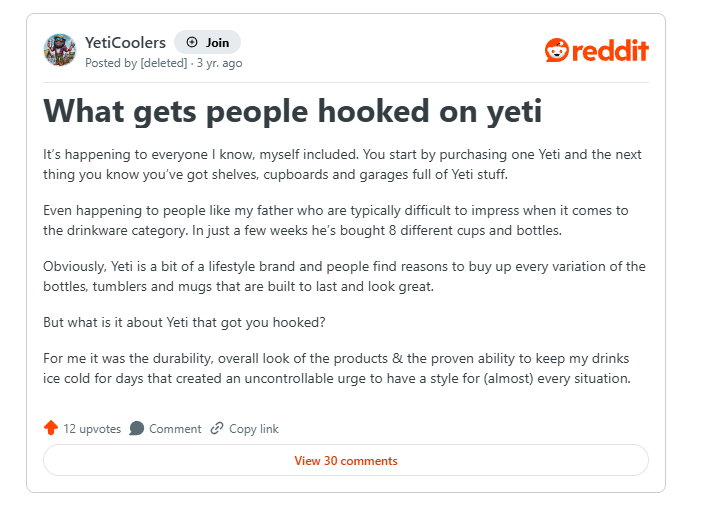
Take YETI.
YETI positions itself around the outdoors, durability, and premium quality. But people don’t just buy into the messaging, they buy because the product actually delivers on that promise. The brand is strengthened every time the product performs as expected.
This is what makes branding effective. It’s not just what a company says, it’s the consistency between:
- the message (rugged, reliable, outdoor-ready)
- the experience (high-quality, long-lasting products)
That alignment is what has created trust and long-term brand loyalty for the YETI brand.
How Branding Is Used in Marketing
Branding is applied across every part of a business’s marketing, not just design. It shows up in how a company communicates, presents itself, and delivers value.
- Messaging — the words, tone, and positioning used in ads, websites, and content
- Visual identity — logos, colors, and design that support recognition
- Customer experience — how the product or service actually performs including on the website
- Consistency — delivering the same message and experience across all channels
- Positioning — how the brand differentiates itself from competitors
- Trust-building — aligning promises with real outcomes over time
Without branding, marketing becomes generic and forgettable. With strong branding, marketing becomes recognizable, persuasive, and easier to trust.
Branding in Business
Branding in business is both the outcome and the result of all branding and marketing efforts. It is the tangible impression a company leaves internally and externally, and ultimately, the return on investment (ROI) from those efforts. While branding in marketing focuses on creating awareness and influencing customer perception, branding in business reflects how well the company lives its brand across culture, products, services, and employee experiences. In essence, branding in business is what makes marketing efforts meaningful. It is the results of branding efforts that lead to a successful business and Return on Investment (ROI).
Why Branding in Business Matters
Branding in business is both internal and external. Internally, it shapes company culture, employee behavior, and operational standards. When employees experience the brand values firsthand, they create customer interactions that reinforce the brand externally. Conversely, if internal branding suffers, morale drops, and the company struggles to deliver a consistent experience, weakening the brand’s reputation and reducing output.
Externally, strong business branding aligns the products, services, and customer care with the promises made through marketing, which is essentially what the business claims to be. Business performance—whether in product quality, service, or operations—reinforces the brand image over time. This alignment between marketing and business operations is important: the market interacts with the business, but without a strong internal brand, marketing alone cannot sustain loyalty or growth.
Example of Branding in Business: Apple
Apple, especially during the Steve Jobs era, is an example of strong branding in business. Beyond advertising, Apple built its brand through product excellence and company culture. The iPhone’s reputation as the leading smartphone was not just done through marketing; it was achieved from the quality of the product itself. In this case, the products were the brand, and the hard commitment to creating an excellent product was the internal branding of the business.

How Branding in Business Is Applied
Branding is applied in business by embedding the narrative, image, and goals of the business in every aspect of the company, and not just in marketing. This includes:
- Company culture – ensuring employees understand and live the brand values
- Product and service quality – aligning what’s delivered with what’s promised
- Employee experience – empowering employees to reinforce the brand externally
- Operational consistency – processes and policies reflecting the brand’s identity
- Customer experience – interactions that build trust, loyalty, and perception
- Internal reputation management – fixing gaps internally before they affect external perception
Without strong internal branding, marketing alone cannot sustain a compelling or credible brand. Branding in business helps a company delivers on its promises, making marketing efforts effective in the first place, and leading to more sales and revenue.
Key Elements of Branding
The key elements of branding include a clear and authentic expression of values and mission, consistent copy and messaging across marketing channels, quality products or services that embody the brands messaging, thoughtful interactions with customers, and consistent content output to spread awareness.
Together, these elements act like the modern version of a traditional brand mark—figuratively “burning” an image into the collective minds of people. When done right, they make a brand recognizable, memorable, and distinct in a crowded marketplace.

Start Branding Today
In this article, you’ve learned what branding is about from our agency, but if you would like to apply this expertise to your business, then click the link below to speak to an expert about your branding today.
Calgary Branding Services →